A deep dive into Chappell Roan’s most iconic anthem — what the song truly means, where it came from, and what “hiatus” has to do with all of it.
“Pink Pony Club” by Chappell Roan is not just a pop song. It is a cultural milestone — a raw, honest anthem about queer identity, small-town escape, and finally finding a place where you belong.
What Does “Pink Pony Club” Actually Mean?
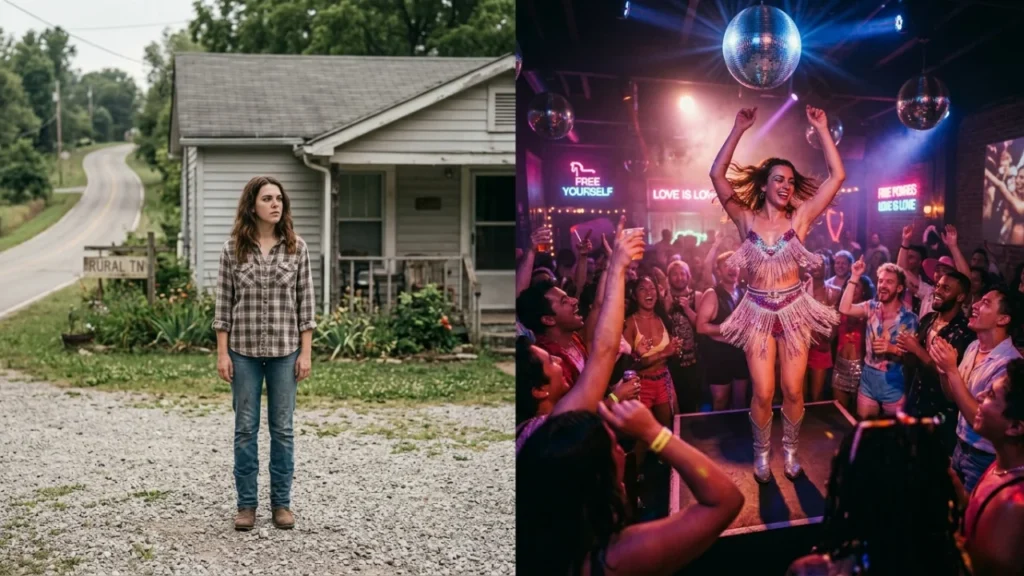
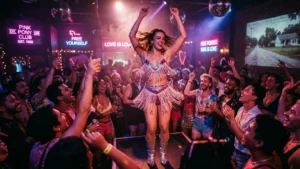
At its core, Pink Pony Club meaning is about freedom. It tells the story of a young woman from a small town in Tennessee who leaves home, moves to Southern California, and finds herself — truly, fully — for the first time.
She becomes a dancer at a gay club in West Hollywood. Her mother disapproves. Society judges. But she doesn’t stop. She dances, she thrives, and she belongs.
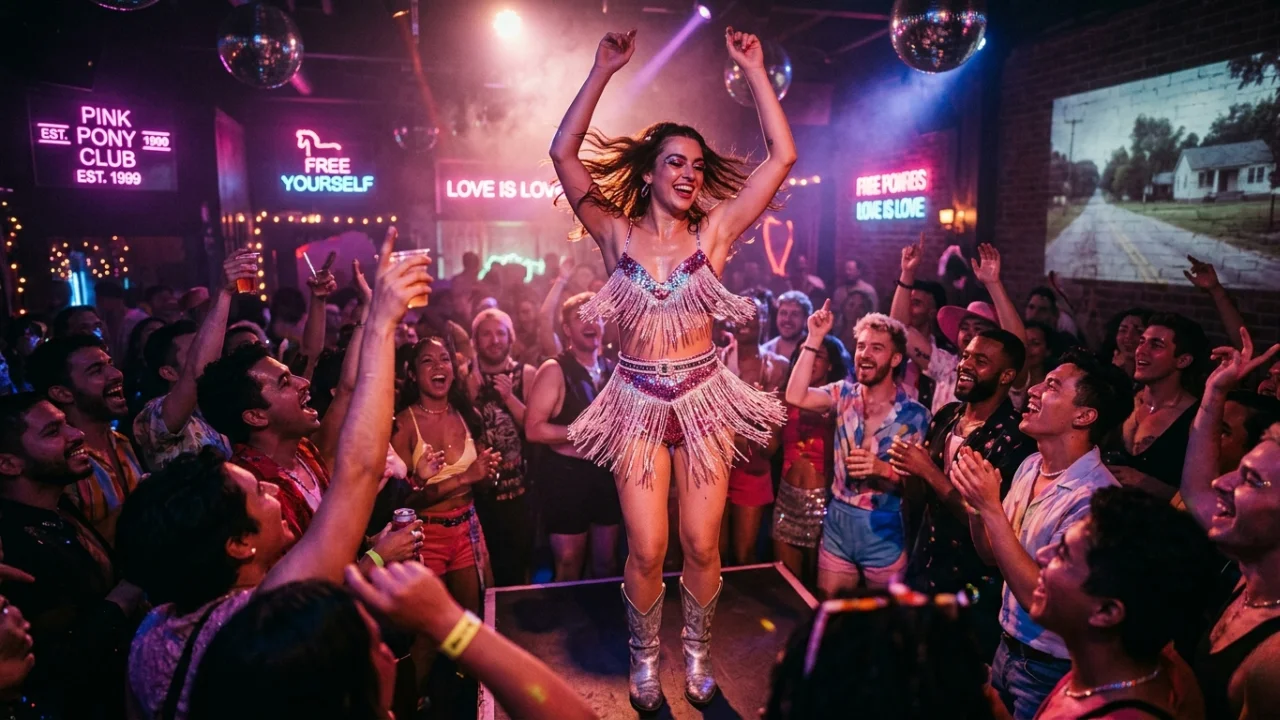
That is the Pink Pony Club. A safe space. A place where, as the lyrics say, “boys and girls can all be queens every single day.”
All of a sudden I realized I could truly be any way I wanted to be, and no one would bat an eye. It was so different from home where I always had such a hard time being myself.— Chappell Roan, speaking to Headliner Magazine about The Abbey bar in West Hollywood
Chappell Roan (real name Kayleigh Rose Amstutz) wrote the song in February 2019, just one year after visiting The Abbey — a famous gay bar in West Hollywood, California. That night changed everything for her.
She grew up in Springfield, Missouri — a deeply conservative small town — where she always felt different and judged. The Abbey was the opposite of everything Springfield represented. And out of that contrast, a song was born.
Must Visit: Sigma Meaning Slang: What It Really Means in 2026 (Hiatus Meaning Included)
The Pink Pony Club Is a Metaphor
The Pink Pony Club is not a real bar. It is a fictional, fantastical place — a symbol of any space where LGBTQ+ people feel free to be exactly who they are without fear, shame, or judgment.
The name itself was partly inspired by a real strip club in Springfield, Missouri called the Pink Cadillac, which was painted entirely in hot pink. That visual stayed with Chappell. She reimagined it as something joyful, liberating, and queer.
What bar is Pink Pony Club about?
The song is inspired by The Abbey, a legendary gay bar in West Hollywood, California. However, the name “Pink Pony Club” was partly influenced by a pink strip club called the Pink Cadillac in Chappell Roan’s hometown of Springfield, Missouri. The Pink Pony Club itself is a fictional place — a metaphor for queer freedom and belonging.
Is Pink Pony Club an LGBTQ+ Anthem? The Truth About Its Queer Identity
Yes — without any doubt. Pink Pony Club is one of the most explicit and celebrated LGBTQ+ anthems in modern pop music.
Chappell Roan has been open about her queer identity. She has described the song as autobiographical — a reflection of her own journey of self-discovery, self-acceptance, and finding community in the LGBTQ+ nightlife scene in Los Angeles.
The lyrics directly reference gay culture: queens, clubs, dancing on stage, and defying family expectations. None of this is subtle. It was written to be heard, felt, and claimed by queer people everywhere.
Is Pink Pony Club LGBTQ?
Absolutely. Pink Pony Club is a proudly LGBTQ+ song, written by a queer artist about her own queer experiences. The song’s themes of coming out, queer belonging, and chosen family have made it a defining anthem for the LGBTQ+ community in the United States and worldwide.
Sociologist and cultural critics have noted that the song passes what some call the “queer anthem litmus test” — it was written by a queer person, about a queer experience, with queer language and imagery woven throughout. It doesn’t just borrow queer aesthetics. It lives inside the queer experience.
Videos of crowds singing Pink Pony Club at concerts went massively viral — thousands of people, hands raised, eyes closed, tears streaming. Queer fans have called it the first song that made them feel truly seen in mainstream pop music.
Is Pink Pony Club About Being a Drag Queen?
Not exactly — but there are strong connections. The song references stage performance, dancing in heels, and camp culture, which are central to drag culture. The official music video even features cameo appearances from real drag queens: Victoria “Porkchop” Parker and Meatball, both from the RuPaul’s Drag Race universe.
Chappell Roan herself performs in full drag-inspired makeup and costumes. Her entire stage persona is rooted in theatricality, camp, and Southern drag pageant aesthetics. So while the song is not exclusively about drag, drag culture is a central part of its world.
Is Pink Pony Club about being a drag queen?
The song is not solely about drag, but drag culture, go-go dancing, and queer performance are deeply embedded in its DNA. The music video features real drag queens, and Chappell Roan’s own aesthetic is heavily influenced by drag makeup and camp performance traditions.
The Real Story Behind the Song: From Springfield to West Hollywood
Understanding the Pink Pony Club meaning fully requires understanding Chappell Roan’s journey. This is not just a song. It is a diary entry.
2018
Chappell Roan visits The Abbey gay bar in West Hollywood for the first time after relocating from Springfield, Missouri. She is immediately transformed by the experience — go-go dancers, freedom, no judgment.
February 2019
Chappell writes “Pink Pony Club” with producer and co-writer Daniel Nigro. The song is personal, bold, and unapologetically queer.
April 3, 2020
The song is officially released through Atlantic Records and Amusement Records. It underperforms commercially. Her label is reportedly not supportive of its direction.
2020–2021
Chappell is dropped by Atlantic Records. Her career hits a wall. She considers quitting music altogether.
September 2023
The Rise and Fall of a Midwest Princess is released. Pink Pony Club is included. The album begins gaining serious traction.
February 2025
Chappell Roan performs at the 67th Grammy Awards and wins Best New Artist. Pink Pony Club tops the UK national chart and enters the top 10 in Australia, Canada, Ireland, and the United States.
The backstory matters because it makes the song even more powerful. Chappell fought her own label to keep it. The same song they doubted became the one that defined her career and connected with millions of queer people across the globe.
What Does Hiatus Mean — and How Does It Connect?
A hiatus simply means a temporary pause or break in activity. In pop culture, it usually refers to an artist, creator, or community stepping away from public life for a period of time.
After being dropped by her label and facing an uncertain future, Chappell Roan essentially went on an involuntary hiatus. She was not touring, not releasing music publicly, and not in the spotlight. Many artists face this kind of forced break after label disputes or commercial setbacks.
Her hiatus period lasted roughly from 2020 to 2022. It was painful. But it was also the time she regrouped, rebuilt her artistry, and eventually returned with the album that changed everything.
What does “hiatus” mean in the context of Chappell Roan and Pink Pony Club?
After being dropped by Atlantic Records around 2020–2021, Chappell Roan went through a career hiatus — a period of inactivity and uncertainty. During this time, Pink Pony Club sat largely unheard. Her comeback with The Rise and Fall of a Midwest Princess in 2023 ended that hiatus and eventually led to the song’s global success.
The Pink Pony Club Controversy — What People Often Miss
Like most bold, unapologetically queer art, Pink Pony Club has not been without controversy.
The label conflict is the most documented controversy. When Chappell Roan originally submitted the song, her team at Atlantic Records reportedly gave significant negative feedback. The song was seen as too niche, too queer, and too risky for mainstream pop radio. She had to fight to release it.
Then there is the family tension the song itself describes. The lyrics include a mother’s horrified reaction: “God, what have you done? You’re a pink pony girl and you dance at the club.” That line reflects a very real experience for many LGBTQ+ youth in America — especially those from religious or conservative households.
Some conservative communities have criticized the song for its explicit celebration of gay bar culture and its depiction of a daughter defying her mother’s values. This is precisely why the song resonates so deeply with its intended audience.
What is the Pink Pony Club controversy?
The main controversies around Pink Pony Club involve: (1) Chappell Roan’s label — Atlantic Records — reportedly discouraging the song’s release due to its queer content; (2) the song’s depiction of a daughter choosing gay club life over family expectations, which some conservative audiences found objectionable; and (3) broader debates about LGBTQ+ visibility in mainstream pop music.
Is Pink Pony Club Appropriate for Children?
This is a common question — and the honest answer is: it depends on the child’s age and the family’s values.
The song does not contain explicit language or graphic content. It is about dancing, performing, identity, and belonging. However, its themes — queer identity, gay bar culture, defying parental wishes — are adult in nature.
Is Pink Pony Club appropriate for children?
Pink Pony Club does not contain profanity or explicit content. However, its themes of LGBTQ+ identity, nightclub culture, and parental conflict make it more suitable for teenagers and adults. Parents who are open to discussing queer identity with younger children may find it a useful conversation starter. It carries a PG-13 sensibility in most contexts.
Can a Straight Girl Be a Drag Queen? The Wider Cultural Conversation
This question has gained traction partly because of Pink Pony Club’s cultural influence. The short answer: yes, anyone can perform drag.
Drag is a form of performance art. Historically it has been rooted in LGBTQ+ culture, specifically gay male culture. But today, drag is increasingly inclusive. People of all genders and sexual orientations participate in drag performance, from bio queens (cisgender women who perform drag) to straight male drag performers.
Some in the LGBTQ+ community do have nuanced conversations about who drag “belongs to” and what it means when it becomes fully mainstream. But the general consensus — especially among younger, progressive audiences — is that drag is an art form open to everyone.
Can a straight girl be a drag queen?
Yes. There is no rule that restricts drag to any one sexual orientation or gender identity. Straight women who perform drag are often called “bio queens” or “faux queens.” While drag has deep roots in LGBTQ+ history and culture, it has evolved into an inclusive art form that welcomes performers of all backgrounds.
FAQs
What bar is Pink Pony Club about?
The song was inspired by The Abbey, a famous gay bar in West Hollywood, California. Chappell Roan visited it in 2018 and described it as the first time she truly felt free to be herself. The fictional “Pink Pony Club” in the song is partly named after the real Pink Cadillac strip club in Springfield, Missouri.
Is Pink Pony Club LGBTQ?
Yes. Pink Pony Club is a proudly LGBTQ+ anthem. It was written by Chappell Roan about her own experience as a queer woman finding belonging in West Hollywood’s gay club scene. It is considered one of the defining queer songs of the 2020s.
Is Pink Pony Club appropriate for children?
The song has no explicit profanity, but it deals with adult themes including LGBTQ+ identity, nightlife, and parent-child conflict. It is generally considered appropriate for teens and adults. Younger children can listen, but parents should be prepared to discuss the themes openly.
Is Pink Pony Club about being a drag queen?
Not exclusively, but drag culture is a major part of the song’s identity. The music video features real drag queens Victoria “Porkchop” Parker and Meatball. The themes of performing in heels on stage and embracing a flamboyant persona all connect deeply to drag culture. Chappell Roan herself is known for her drag-inspired stage looks.
Can a straight girl be a drag queen?
Yes. Cisgender straight women who perform drag are known as bio queens or faux queens. Drag as an art form is not restricted to any gender or sexual orientation, though it has historically been central to gay male culture. Today it is increasingly inclusive.
What is the Pink Pony Club controversy?
The main controversies involve: Chappell Roan’s label reportedly trying to discourage the song’s release; the song’s open portrayal of a daughter embracing gay bar culture against her mother’s wishes; and broader debates about LGBTQ+ representation in mainstream pop music. Despite — or because of — these tensions, the song became a global phenomenon.
Conclusion
Pink Pony Club is a song about refusing to disappear. It is about a queer woman who chose freedom over approval — and in doing so, gave millions of people a song that felt like home. From The Abbey in West Hollywood to stages at the Grammy Awards, the Pink Pony Club has become more than a song. It is a symbol. And its meaning only grows louder with time.